Open to roles · Seattle, WA
Rustam Kolumbayev
AI Product Engineer
I build AI features end to end. I make sure the AI is actually right. I ship where the stakes are high, and I share what I learn.

- AI product engineering
- LLM pipelines
- LLM evaluation
- AI user interfaces
- Product engineering
- React
- TypeScript
- Next.js
- Design systems
About
I'm an AI product engineer with seven years of experience. I own features end to end, from the data and the backend to the screen the user actually touches, and more and more of that work involves AI.
At work I own three products end to end: a consumer recommendations site, an enterprise analytics dashboard and a company website. Through Mercor, I write the tasks and rubrics frontier labs use to grade coding agents.
How I workHow I ship AI features
The model does the writing. Checks decide what ships. Every failure makes the next run better.
The loop
Every failure feeds the next run. When 8 inputs kept failing, the fix was the criteria, not the writer: I rewrote them, raised the keep threshold from 0.5 to 0.6, and they shipped.
- Failed checks
- Retries
- Criteria rewrites
- Known-case set
Step 1 of 6
Scope
- I confirm requirements in writing before I build.
- I post progress updates without waiting to be asked.
Step 2 of 6
Prototype
- When a disagreement is about facts, a prototype settles it faster than a debate.
- For face-aware banners I built a prototype in about a day and showed the pages side by side.
Step 3 of 6
Generate
- If I can list every input, I generate every answer ahead of time.
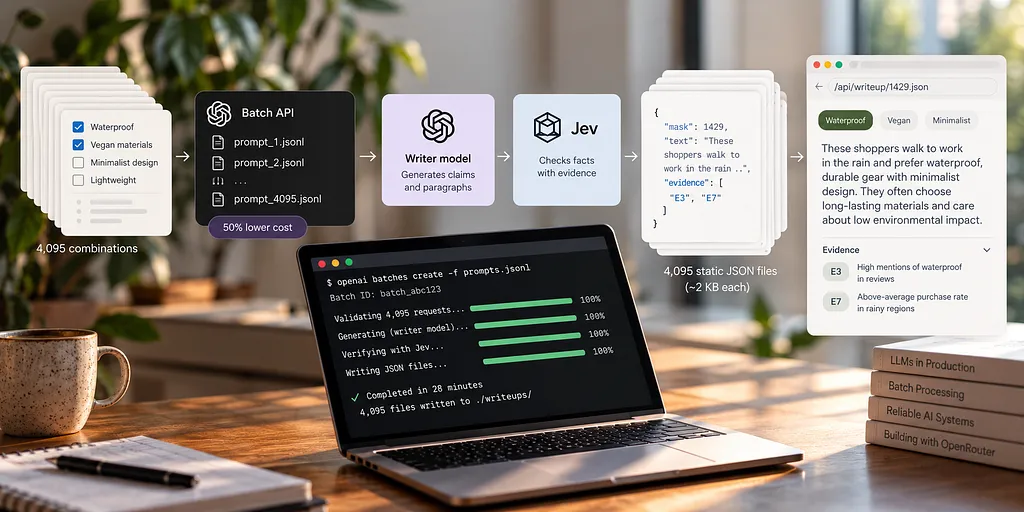
- Claude Opus writes through the batch API at half price.
Gate 4 of 6
Verify
- A separate checker model fact-checks every claim against evidence data before a user sees it.
- Jev checked 4,077 combinations for 42 cents. Anything that fails is retried, or it doesn't ship.
Step 5 of 6
Ship
- Answers ship as ~2 KB static files on a CDN: no model, API key or rate limit in the request path.
- Latency went from 31 seconds to instant.
Step 6 of 6
Evaluate
- A set of known cases reruns after every change to the criteria.
- For coding agents I write rubrics with 15–35 atomic criteria, anchored to real repos at fixed commits.
Selected work
- 01
Production LLM feature · LLM pipeline · cost & latency
Cut a 31-second LLM response to instant, for about $121.
- Challenge
- Each click made 11 data calls and 7 model calls, so one request took 31 seconds.
- Solution
- Pre-generated all 4,095 answers as static files. Claude writes, and Jev fact-checks every claim.
- request latency
- 31 s → instant
- request latency
- answers, all fact-checked
- 4,095
- answers, all fact-checked
- main run, ~3¢ per answer
- ~$121
- main run, ~3¢ per answer
- idea to production
- ~2 days
- idea to production
- 02
Consumer recommendations site · On-device ML · SSR performance
Put faces back in view on 2 million+ hero banners, with page load unchanged.
- Challenge
- A centered crop cut people's heads off, so the banners had been blurred instead.
- Solution
- Find the focal point once on the server with TensorFlow.js, then keep it in view with one CSS value.
- entries in the People category
- 2M+
- entries in the People category
- GPUs or paid vision APIs
- 0
- GPUs or paid vision APIs
- analysis budget per batch of images
- 1.5 s
- analysis budget per batch of images
- widest banner aspect handled
- 3.5×
- widest banner aspect handled
- 03
Enterprise analytics dashboard · Frontend architecture · design system
Cut page load by 40% on a dashboard used by Fortune 100 clients.
- Challenge
- A new panel type could take a week just to reach dev.
- Solution
- Rebuilt the frontend in TypeScript around one panel component and shared design tokens.
- page load time
- −40%
- page load time
- engagement after a collaboration fix
- +48%
- engagement after a collaboration fix
- LLM API costs
- −50%
- LLM API costs
- dashboard adoption
- +25%
- dashboard adoption
- 04
Pyte · Zero-to-one UI · demo under deadline
Took a command-line product to its first UI, then to a phone demo that onboarded five clients.
- Challenge
- Pyte was command-line only, and a week before Advertising Week the app still only worked on desktop.
- Solution
- Designed and built ~30 screens as the only frontend engineer, then cut the demo down to one phone flow.
- screens, designed and built
- ~30
- screens, designed and built
- to the first usable version
- ~1 month
- to the first usable version
- to a phone demo for 15K+ attendees
- 1 week
- to a phone demo for 15K+ attendees
- clients onboarded from the demo
- 5
- clients onboarded from the demo
More work
- MercorEvaluating frontier coding agentsI write codebase-grounded tasks and rubrics that frontier labs use to train and grade coding agents.
- PyteDesign decision: the UI moves into the backend monorepoA typed TypeScript client generated from the gRPC definitions meant a backend change that broke the UI failed before it reached the branch.
- ProjectSnodgrassA prompt-testing tool for AI engineers with Claude and OpenAI integration: 50+ prompt variants per session, automated quality scoring and regression detection. Ranked in the top 10% of Y Combinator '24 applicants.
- ProjectAPI evaluation tool for sales engineersStarted from a one-sentence request. V1's “AI buttons everywhere” were cut down to one workflow.
- ProjectSDG&E drone-inspection dashboardReached a demo in about a week by trading drag-and-drop for an ordered list with multi-column sort. We won the contract; drag-and-drop came later.
- ProjectAccessibility on the consumer siteFixed contrast by aligning to the shared tokens, enlarged tap targets, verified with Lighthouse and Semrush. Accessibility problems often come from a system nobody follows.
- ProjectReferrsMeFrontend for a referral-based job platform with 1,000+ active users and sub-2-second page loads.
- ProjectCloud ExpressA deployment UI that cut a 14-step provisioning workflow to 3 clicks, from 45 minutes to under 5.
Experience
Senior Software Engineer · Qloo
Feb 2025 – Present
I own a consumer recommendations site, an enterprise analytics dashboard and the company website, end to end.
- Cut LLM API costs by 50% with batch prompting.
- Rebuilt the analytics dashboard's frontend architecture for 40% faster page load.
- Led SOC 2 Type II compliance.
AI Engineer, Evaluations (contract) · Mercor
2025 – Present
Codebase-grounded tasks and rubrics used to train and grade frontier coding agents.
- Rubrics with 15–35 atomic criteria each, anchored to real repos at fixed commits and calibrated against agent baselines.
- Review benchmark artifacts for fairness, criterion atomicity and grading leakage before tasks ship.
Software Engineer · Pyte (acquired by All Hands AI)
Dec 2022 – Feb 2025
The only frontend engineer on a privacy-preserving AI/ML collaboration platform. I built its first UI.
- Designed and built ~30 screens; first usable version in about a month.
- A one-week Advertising Week New York demo led directly to onboarding five clients.
- Helped pass SOC 2. Cypress E2E automation cut deployment bugs by 20%.
Full Stack Engineer · Jaxel
May 2021 – Dec 2022
Client dashboards and incident response for enterprise customers.
- Built the SDG&E drone-inspection dashboard demo in about a week; we won the contract.
- Led the incident team for Starbucks: 60% fewer incidents, 35% lower MTTR, round-the-clock Seattle–India coverage.
Full Stack Developer · Fixinity
Jul 2019 – May 2021
A location-based marketplace connecting users with local auto mechanics.
- Onboarded 5,000+ users in 6 months; 30% fewer complaints.



Writing
All writing- My AI pipeline got more accurate and broke its promise. CI caught it.
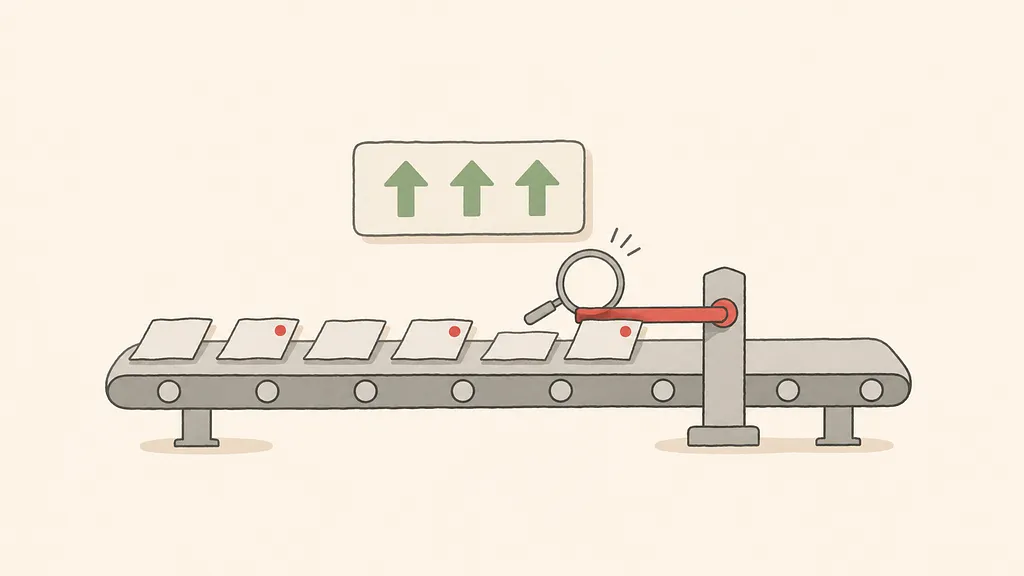
- The second income nobody does your paperwork for

- I asked my AI checker to judge values, not labels. Here’s what held.
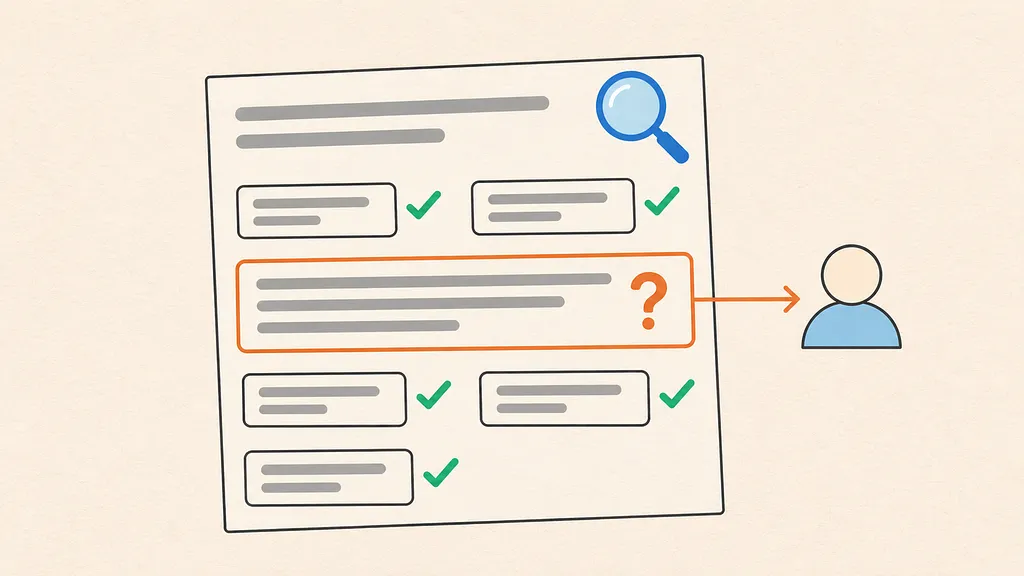
- I built a tool to check AI’s work. The most useful thing it says is “I’m not sure.”
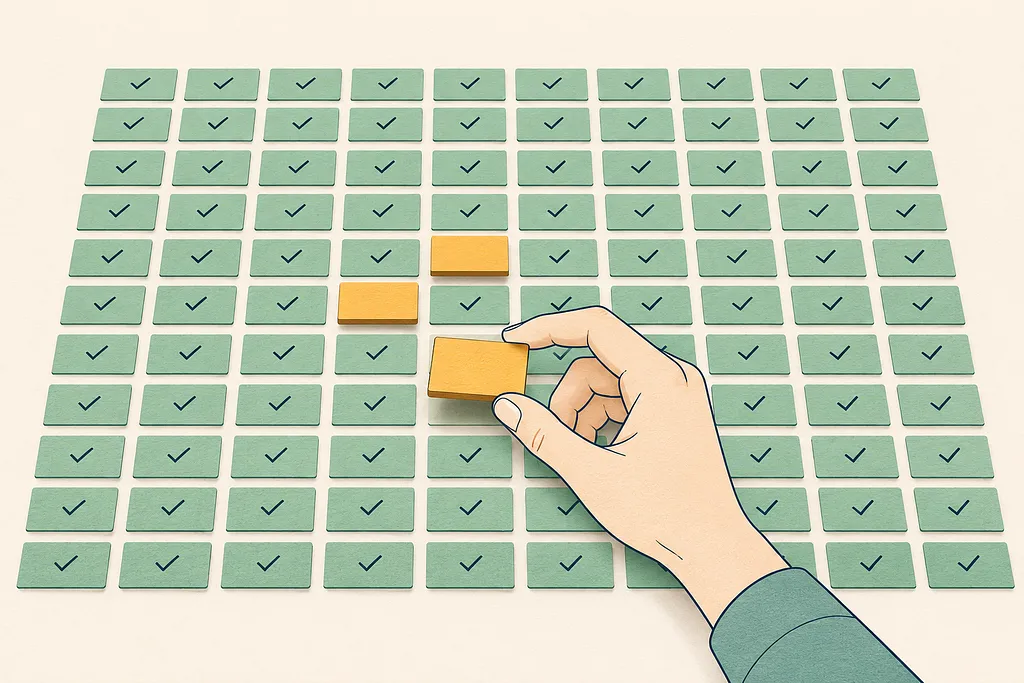
Show more (5)Show less
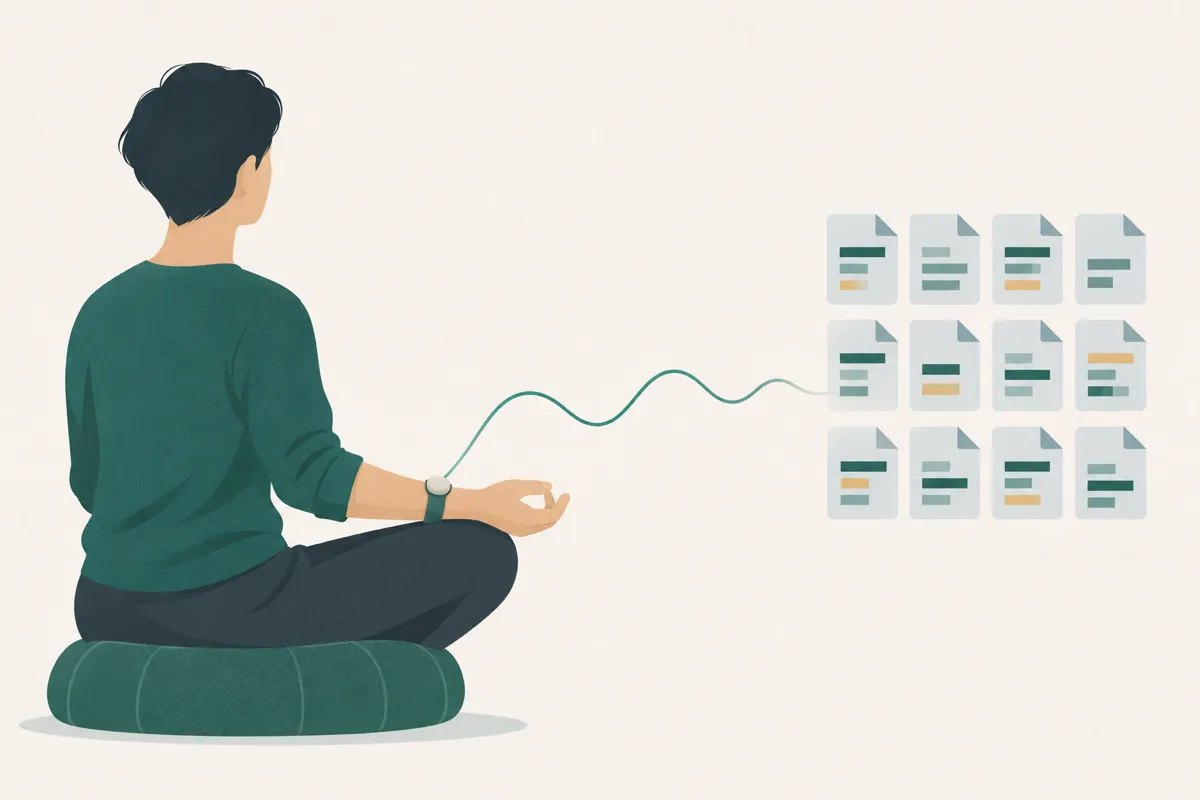
- The Fitbit API Is Gone. Here’s How I Got My Data Back
- Designing for the User, Not Just the Servers: Stress-Testing a System Design Framework on a Product Problem

- Finding the Focal Point: Faces, Then People, Then Saliency (Part 2 of 2)Hero image framing · Part 2
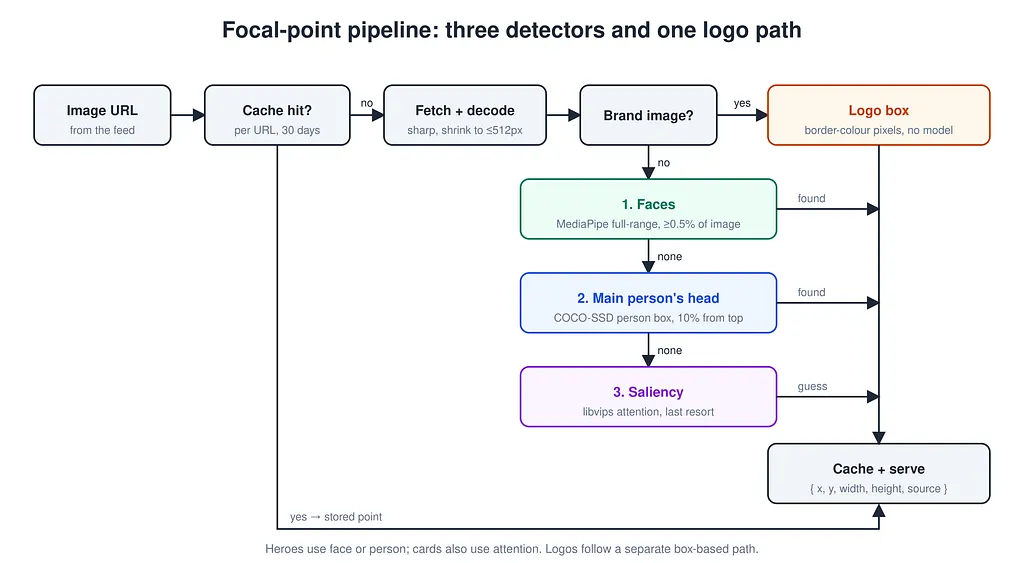
- Stop Cutting Heads Off Your Hero Images (Part 1 of 2)Hero image framing · Part 1

- Treat LLM Output as a Build Artifact: Batch APIs and Jev
Let's talk.
I'm looking for an AI product engineering role, at a big tech company or a fast-moving startup, building AI that does real, useful work for people. Based in Seattle; on-site, hybrid or remote.